St Albans weather forecast
UK towns · Hertfordshire, England · 51.76°N 0.34°W
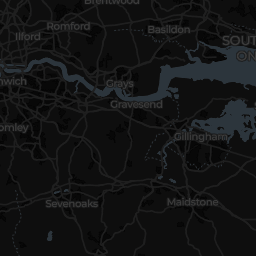
Today & tomorrow in St Albans
Loading forecast…
Will it rain in St Albans?
Loading forecast…
Hourly forecast — next 24 hours
Loading hourly forecast…
7-day forecast
| Day | High | Low | Rain chance |
|---|---|---|---|
| Loading forecast… | |||
St Albans, in Hertfordshire, England, has its warmest weather in August, when daytime temperatures average 21.8°C, while January nights are the coldest at around 1.9°C. The town sees roughly 812mm of rain a year; October is normally the wettest month and April the driest. Figures are averaged from 2020–2024 observations.
Climate averages
| Month | Avg high | Avg low | Rain | Rain days |
|---|---|---|---|---|
| Jan | 7.2° | 1.9° | 67mm | 11 |
| Feb | 9.2° | 3.3° | 64mm | 11 |
| Mar | 10.4° | 3.6° | 65mm | 13 |
| Apr | 13.1° | 4.3° | 40mm | 9 |
| May | 16.7° | 8° | 67mm | 12 |
| Jun | 20.2° | 11.1° | 64mm | 11 |
| Jul | 21.4° | 13.1° | 71mm | 13 |
| Aug | 21.8° | 13.4° | 58mm | 10 |
| Sep | 19.4° | 11.5° | 70mm | 11 |
| Oct | 14.9° | 8.8° | 101mm | 16 |
| Nov | 10.5° | 5.2° | 69mm | 11 |
| Dec | 8° | 3.6° | 76mm | 13 |
Seasons in St Albans
Spring (March–May). Daytime highs in St Albans climb from 10.4°C in March to 16.7°C by May, while nights ease from 3.6°C to 8°C. The season brings around 172mm of rain in total.
Summer (June–August). The warmest stretch of the year: afternoons average 21.1°C, peaking in August at 21.8°C. August is usually the driest of the summer months (58mm over ~10 rainy days). Around the June solstice, St Albans gets roughly 16.4 hours of daylight.
Autumn (September–November). Daytime temperatures fall from 19.4°C in September to 10.5°C by November, and rainfall builds to its annual peak — October is the wettest month of the year (101mm).
Winter (December–February). Nights average 2.9°C, with January the coldest month (average low 1.9°C, daytime high 7.2°C). Expect about 35 days with measurable rain over the three months, and only around 7.6 hours of daylight in mid-December.
How St Albans compares
| St Albans | UK town average | |
|---|---|---|
| Annual rainfall | 812mm | 1054mm |
| Rainy days per year | 141 | 167 |
| Summer daytime high | 21.1°C | 19.7°C |
| Winter night low | 2.9°C | 3.4°C |
St Albans is about 23% drier than the average for the 121 UK towns tracked on this site (1054mm), based on 2020–2024 monthly normals.
St Albans weather FAQs
What is the warmest month in St Albans?
August is typically the warmest month in St Albans, with average daytime highs of 21.8°C. Summer afternoons (June–August) average around 21.1°C.
What is the wettest month in St Albans?
October is usually the wettest month, with around 101mm of rain over roughly 16 rainy days. April is typically the driest (40mm).
How much does it rain in St Albans per year?
St Albans receives roughly 812mm of precipitation per year, spread over about 141 days with at least 1mm of rain (based on 2020–2024 observations).
How cold are winters in St Albans?
Winter nights (December–February) in St Albans average around 2.9°C, with January typically the coldest month (average low 1.9°C).
When is the best time to visit St Albans for good weather?
Late spring and summer offer the most reliable weather in St Albans. August is typically the driest of the warm months (58mm of rain), while August is the warmest, averaging 21.8°C by day — and near the June solstice there are around 16 hours of daylight to enjoy.
How does St Albans's weather compare with the rest of the UK?
St Albans receives 812mm of rain a year, about 23% drier than the average for the 121 UK towns tracked on this site (1054mm). Summer daytime highs average 21.1°C against a UK-town average of 19.7°C, and winter nights average 2.9°C versus 3.4°C.